26 Side of House Landscaping Ideas You’ll Truly Adore
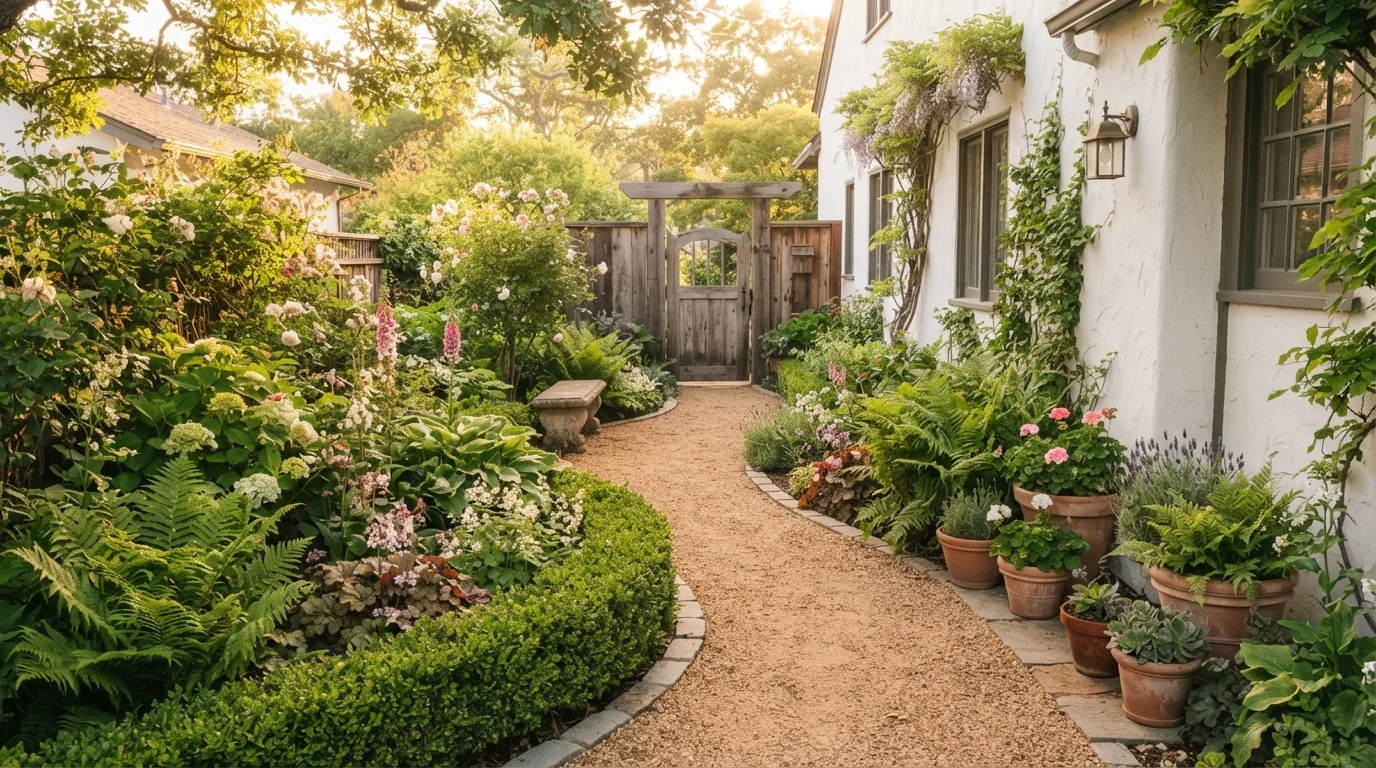
That skinny strip between your house and the fence deserves better than a hose reel and a pile of forgotten pots. Side of house landscaping ideas can turn that overlooked corner into one of the most charming parts of your home.
I’ve walked through many side yards that started as muddy, shady dead ends. With the right plants, paths, and a few smart materials, they became calm, green walkways that people actually wanted to use. In my experience, a narrow space is not a problem. It is an opportunity.
In this post, you will find 21 easy, beginner-friendly looks for every budget and every type of light. Whether your side yard is sunny, shady, or barely three feet wide, there is something here you can save and try this weekend.
Gravel Pathway
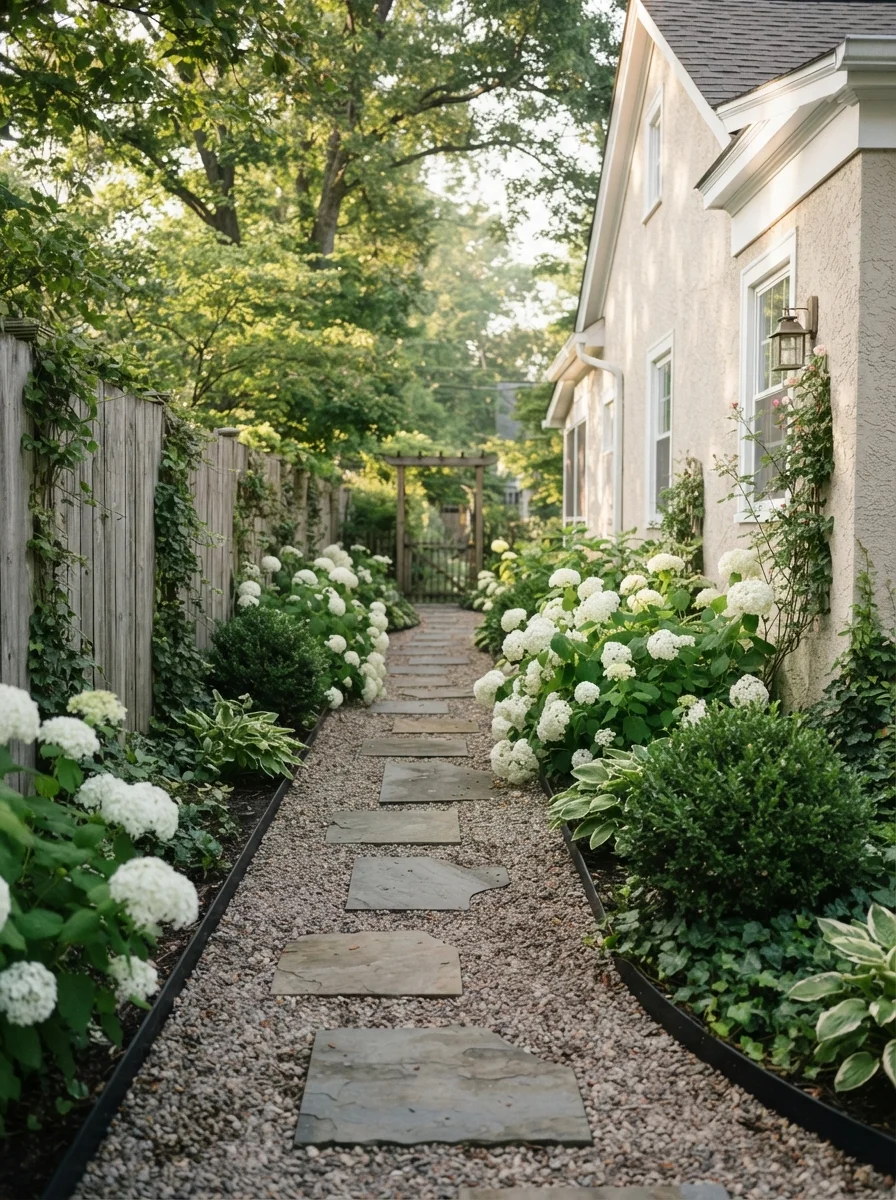
Muddy shoes stop being a problem the moment a gravel path goes down. Lay landscape fabric first, then spread a two-inch layer of pea gravel so weeds stay out and water drains fast. Black steel edging keeps the stones from wandering into your beds.
I’ve noticed that crunchy gravel also announces visitors, which adds a quiet bit of security. Choose a light gray or tan shade to brighten a dim corner and make it feel wider. Leave at least three feet so bins and wheelbarrows pass through without scraping the wall.
Fern Shade Border
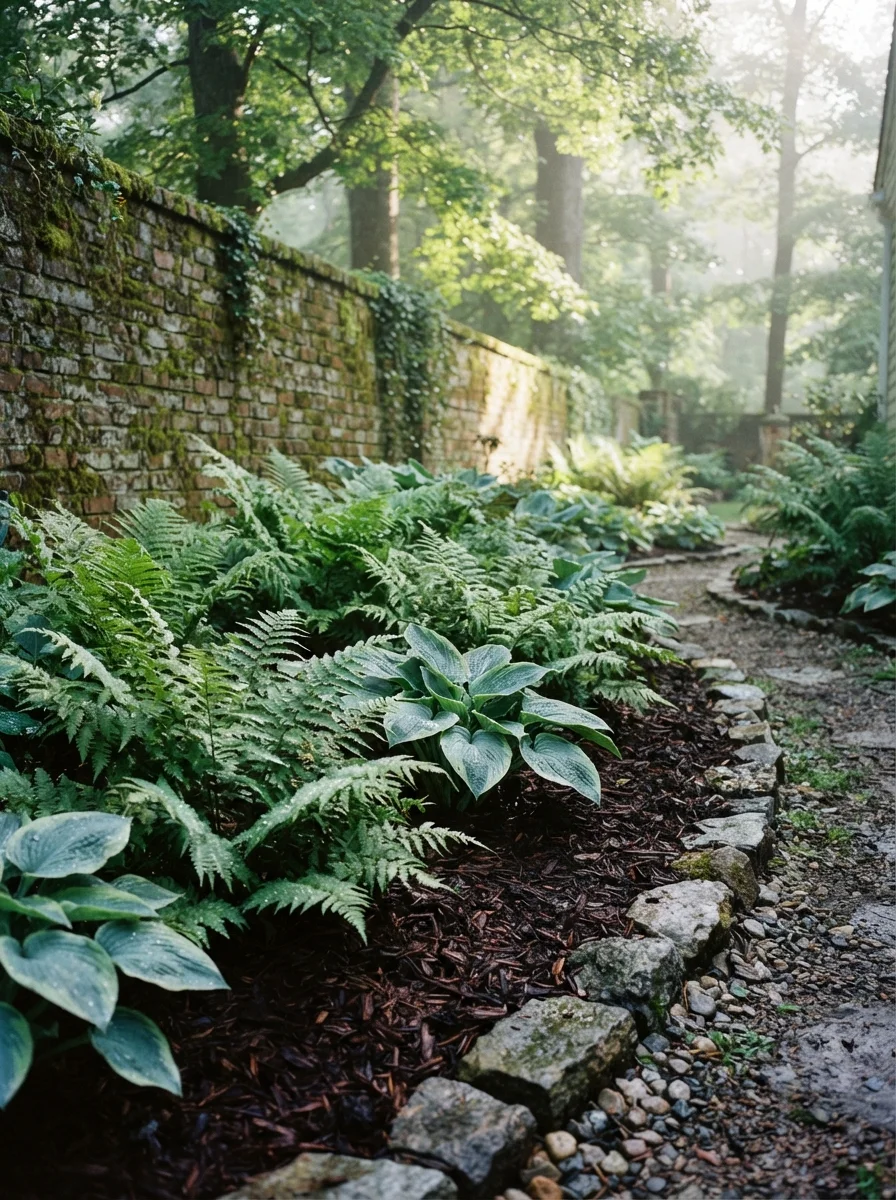
- Shade is where ferns shine. Plant Christmas ferns or lady ferns in groups of three so the bed looks full, not patchy.
- Mix in hostas with silver or blue leaves to bounce light into dark corners.
- Cover the soil with two inches of shredded bark mulch to hold moisture.
- Water deeply once a week through the first summer while roots settle in.
- Leave a hand’s width between plants and the wall so air can move freely.
Shade gets a bad reputation, but ferns love exactly the spot other plants refuse. I’ve seen bare, mossy strips turn into soft green walls within a single season. The payoff is a cool, quiet border that looks fresh even in July, with almost no trimming needed.
Kitchen Herb Border
Quick Tip:
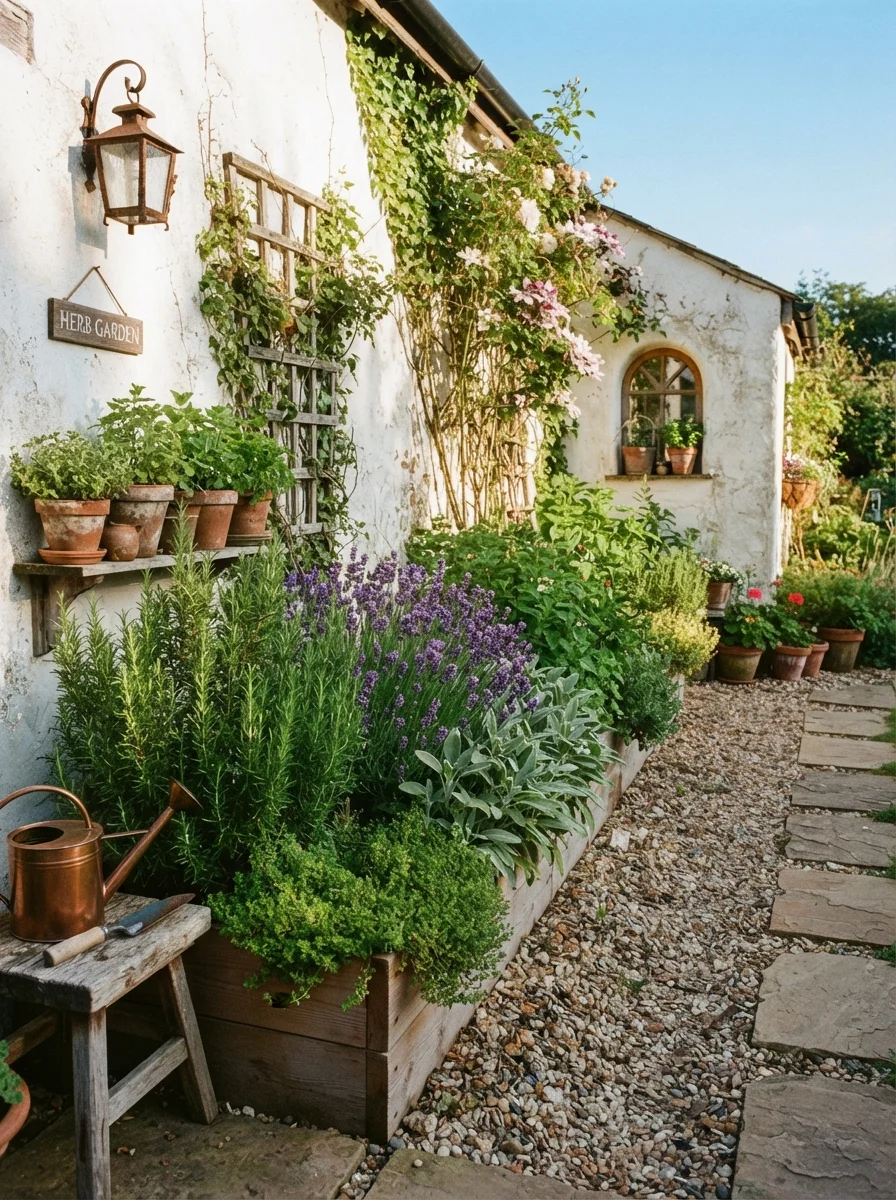
Plant rosemary and thyme at the sunniest end, closest to the kitchen door. Herbs release their scent when you brush past them, so keep them along the edge of the path. Mix a little sand into heavy soil for sharper drainage.
Snipping fresh basil for dinner feels a little like magic when the plants grow ten steps from your door. I’ve tried this in a strip only two feet wide, and it still gave me enough herbs for weekly cooking. Sun-loving herbs also ask for very little care.
Trellis Climbing Vines
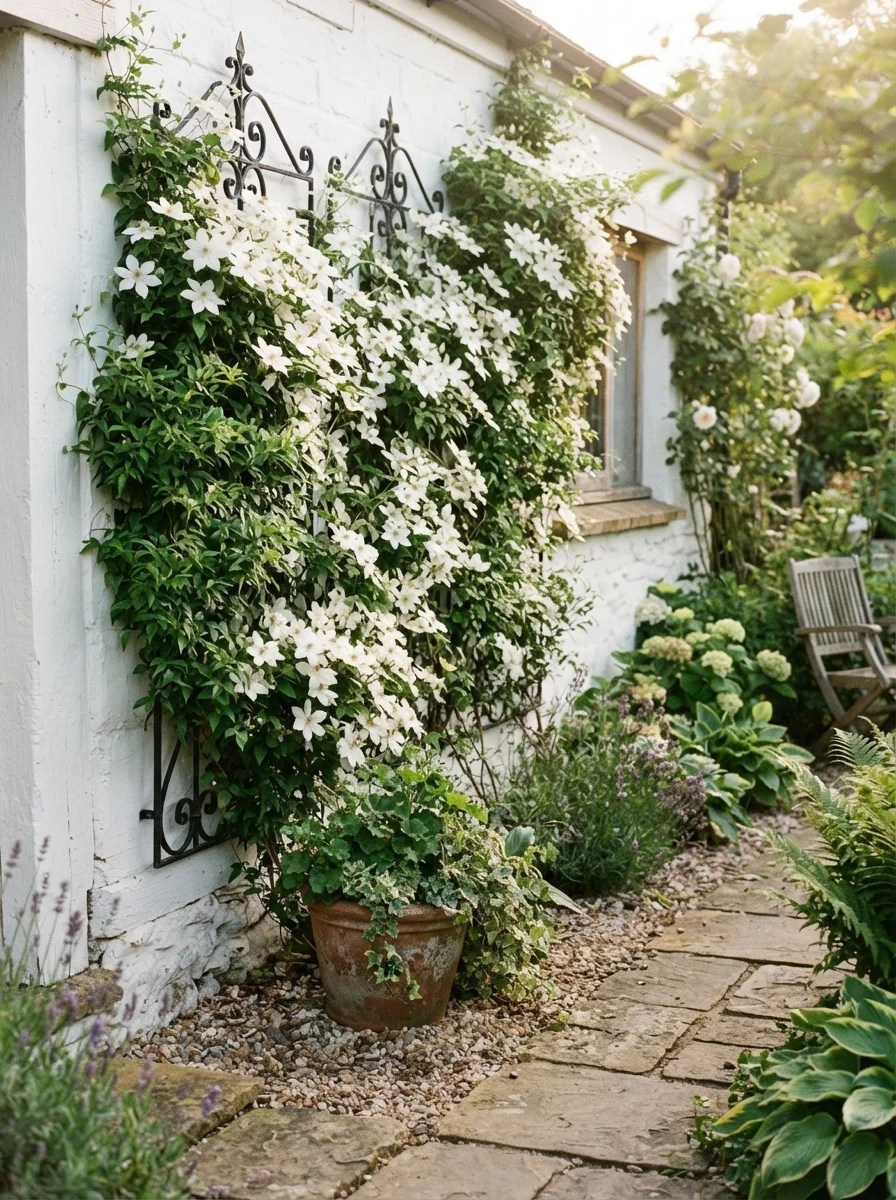
BEFORE: A bare wall beside the path collects dust, peeling paint, and nothing else. The strip feels flat, and there is no room on the ground for wide plants.
AFTER: A slim trellis covered in clematis or star jasmine adds height and scent without using a single extra inch of soil. The wall now looks soft, layered, and alive.
Mount the trellis two inches off the wall so air moves behind the leaves and stops mildew. I’ve seen star jasmine fill a six foot panel in two summers with just a monthly feed. Skip heavy vines like wisteria here, since they can pry apart siding.
Bin Screen Fence
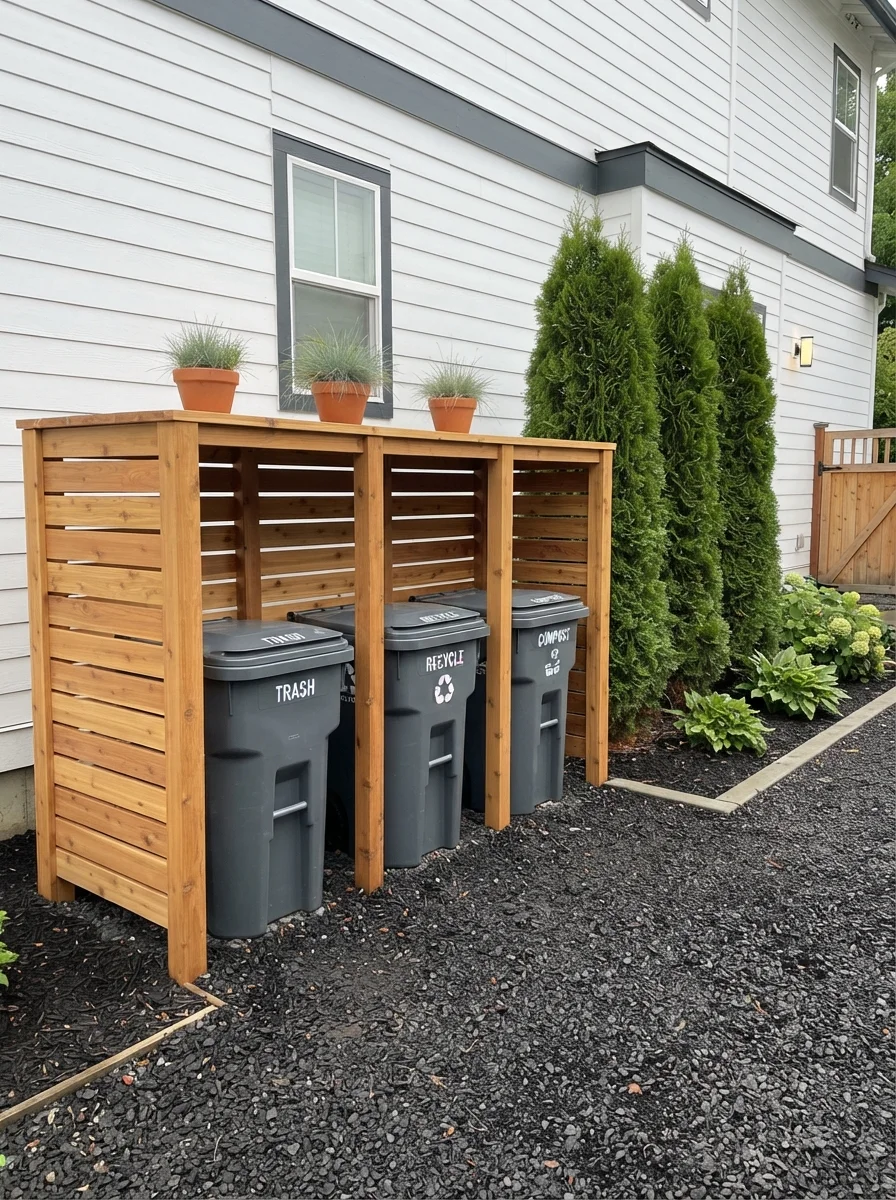
- Measure your bins first, then add six inches on every side so the lids open freely.
- Build or buy a cedar slat panel about four feet tall, and leave a small gap at the bottom for airflow.
- Set the panels on gravel or pavers so the wood never sits in wet soil.
- Plant two arborvitae or tall grasses beside the screen to soften the edges.
Nobody wants to see bins first thing when they walk into the side yard. Once they disappear, the whole strip feels intentional. Add a hinged front panel if you roll the bins out weekly. Your neighbors and your future self will notice the difference.
Ornamental Grass Row
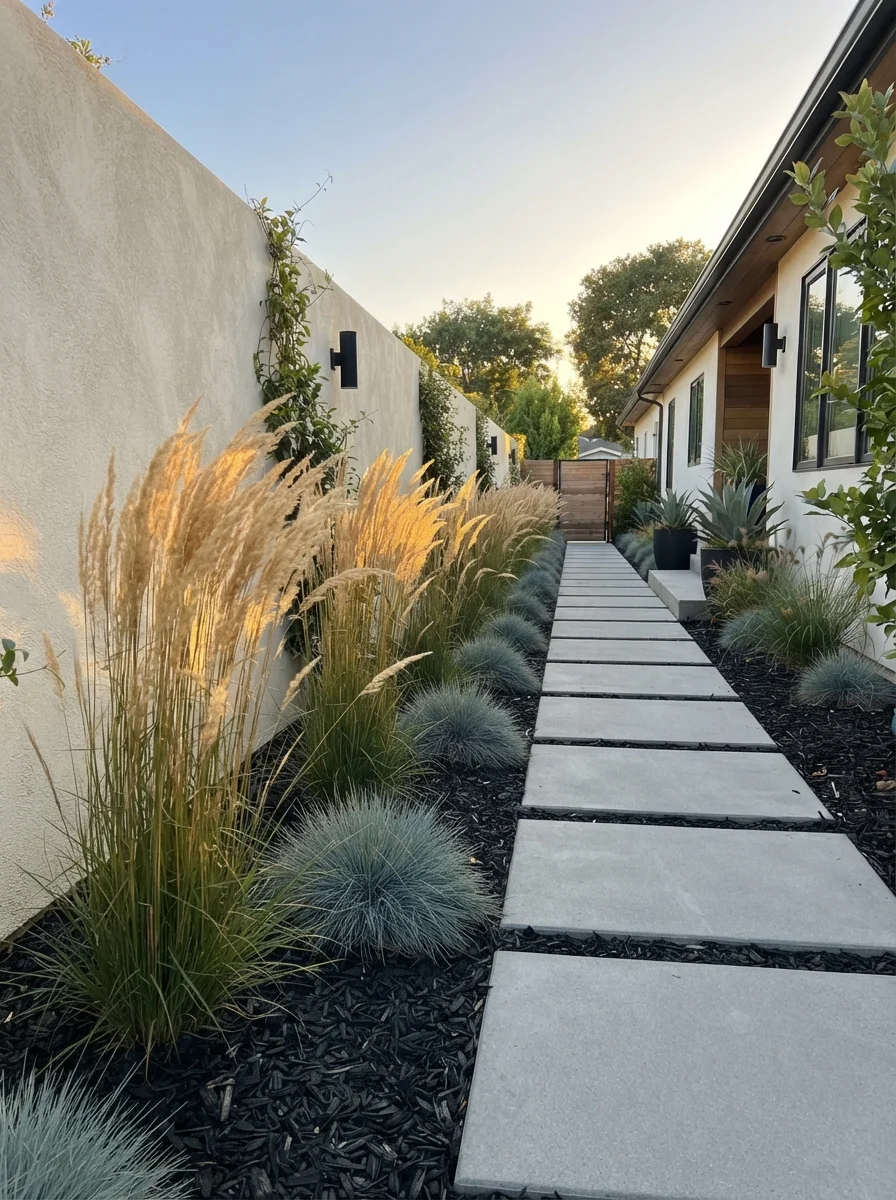
| Point | Patchy Turf Strip | Ornamental Grass Row |
|---|---|---|
| Watering | Frequent, struggles in shade | Low once established |
| Mowing | Awkward in a tight space | One trim in late winter |
| Look | Thin, muddy, uneven | Full, soft, moving texture |
Grass that sways catches the eye even in a three foot gap. Plant clumps two feet apart so they fill in without crowding. In my experience, blue fescue and feather reed grass handle poor soil better than almost anything else. Cut them back to four inches each late winter.
Hydrangea Hedge
DO:
- Choose bigleaf or panicle hydrangeas that suit your light.
- Space shrubs three feet apart so they can fill in.
- Water deeply twice a week through the first summer.
- Prune panicle types in late winter.
DON’T:
- Don’t plant them tight against the wall, since they need airflow.
- Don’t prune bigleaf types in spring, or you will lose the blooms.
- Don’t let the soil dry out in July heat.
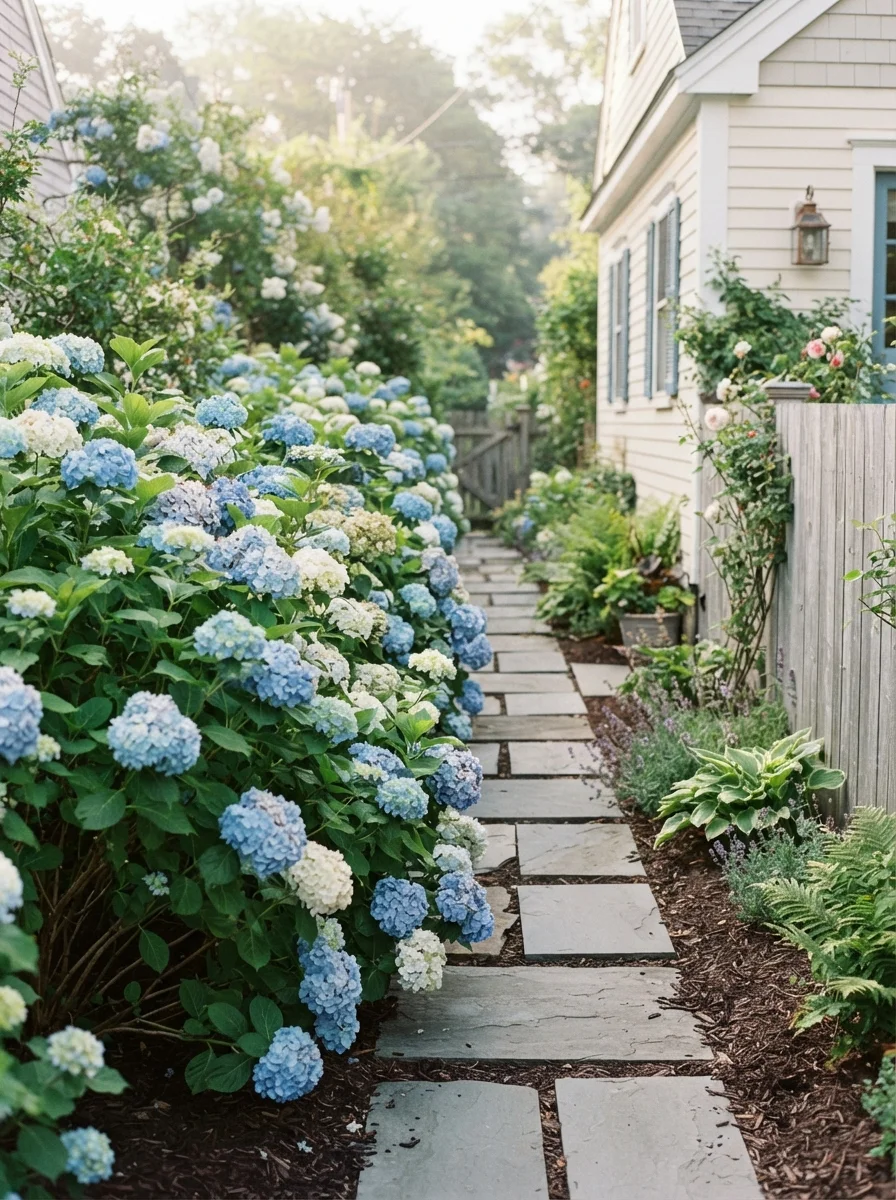
Big blooms make a narrow strip feel generous. I’ve noticed that a single row of hydrangeas hides a bare foundation and softens hard fence lines all at once. Pick white for shady corners, where pale petals glow at dusk, and blue or pink for brighter mornings. Expect full flowers by the second summer.
Hanging String Lights
Cost: Low to medium | Time: One afternoon
Skill Level: Beginner
Best For: Evening walks and small gatherings
Works In: Sun or shade
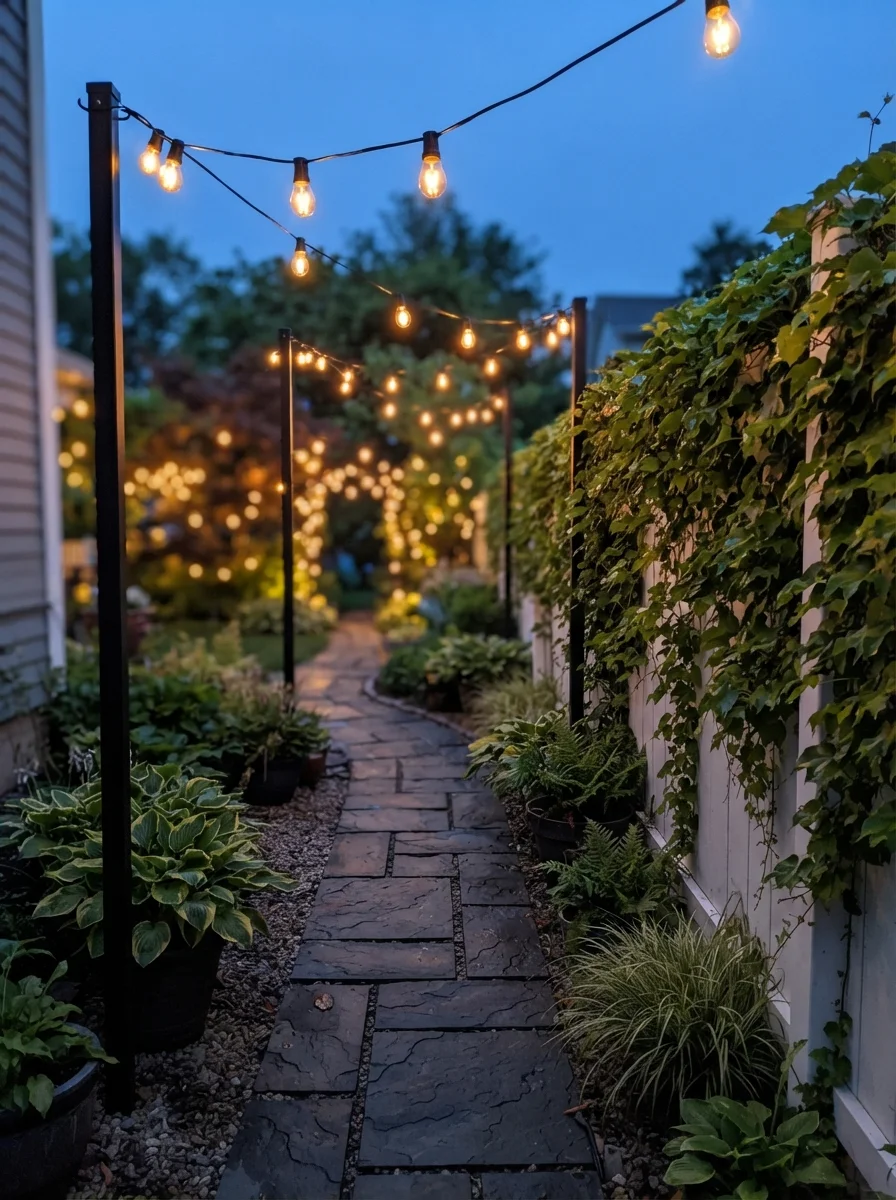
Dark side yards feel unwelcoming the second the sun drops. Warm white bulbs fix that fast. I’ve tried solar and plug-in strands, and plug-in versions stay brighter through winter. Hang them in a loose zigzag rather than a straight line, and choose 2200K bulbs for a soft, candlelike glow.
Zen Rock Garden
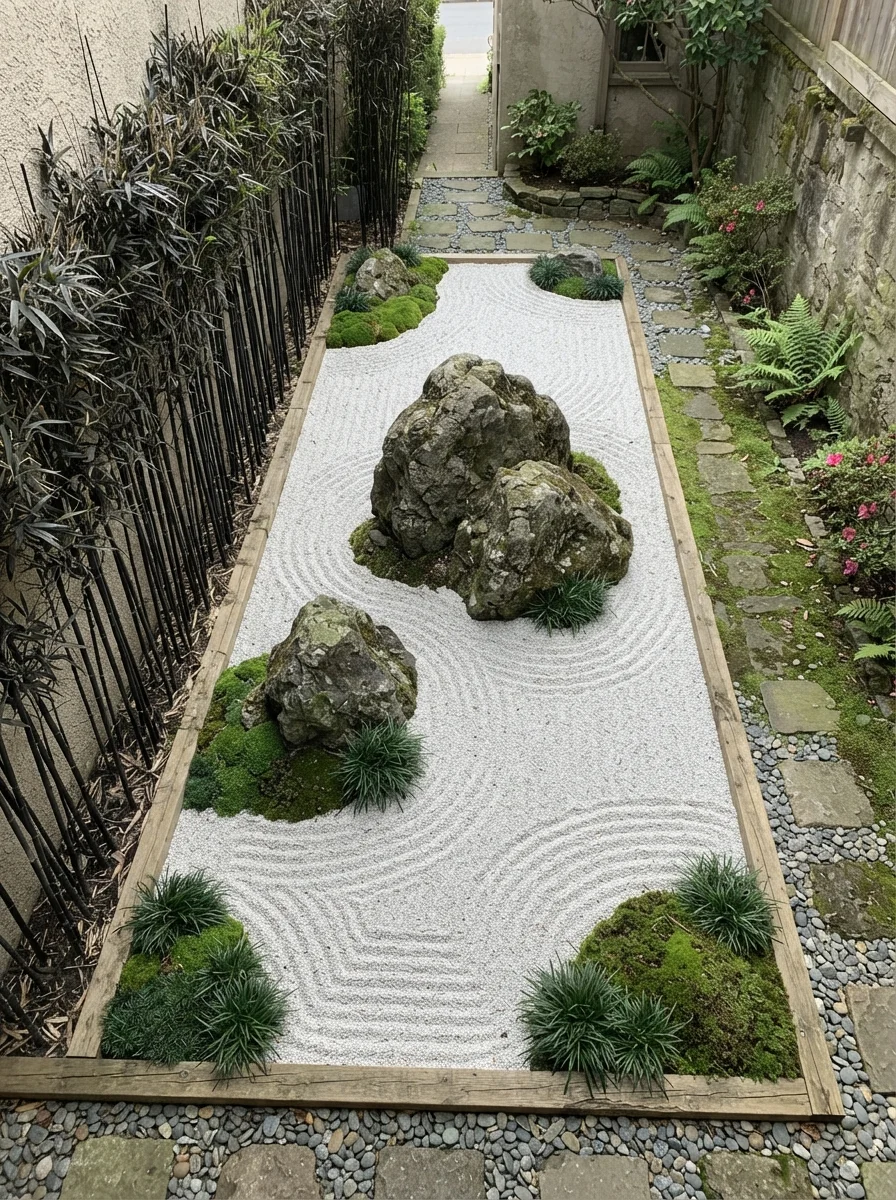
Stillness is hard to find in a busy home, but a three foot strip can hold it. Set three large boulders in odd numbers on white gravel, then rake soft lines each weekend. Bury each boulder a third deep so it looks natural. Keep the pattern simple.
Low plants like moss and dwarf mondo grass soften the edges without adding work. This style suits busy owners best, since there is no mowing, no feeding, and almost no watering. Lay landscape fabric under the gravel to keep weeds out for many years.
Vertical Planter Wall
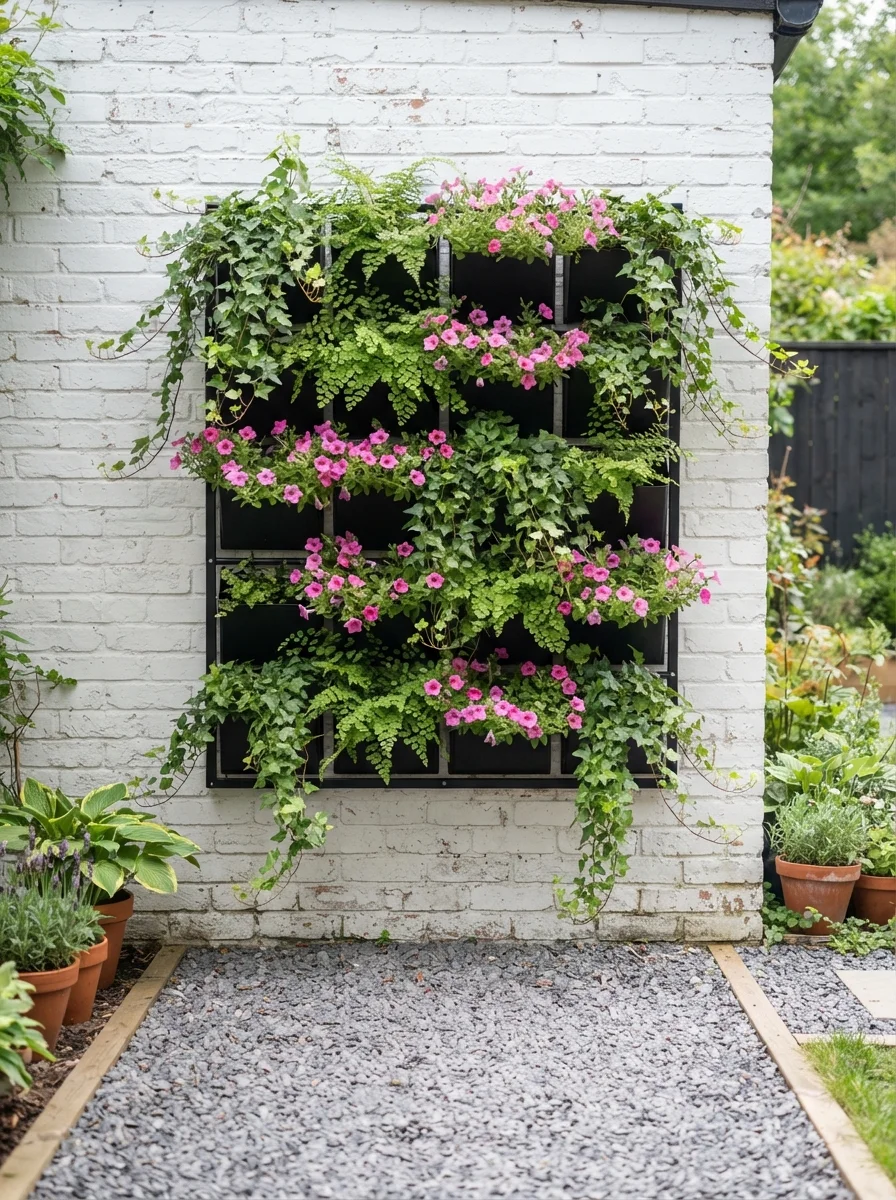
- Walls are free real estate when the ground is too narrow. Hang pocket planters or stacked wall pots at eye level.
- Choose ivy, ferns, or trailing petunias for shade, and sedum or succulents for full sun.
- Fix planters to studs or masonry with proper anchors, since wet soil is heavy.
- Add a drip line or use a long spout watering can, because vertical pockets dry out quickly.
- Space pots eight inches apart so leaves have room to spill.
A green wall gives you a garden without taking a single step of floor space. I’ve seen a plain brick side wall turn into the first thing guests notice. Rotate a few plants each season to keep color fresh, and feed monthly with liquid fertilizer through summer.
Cozy Bench Nook
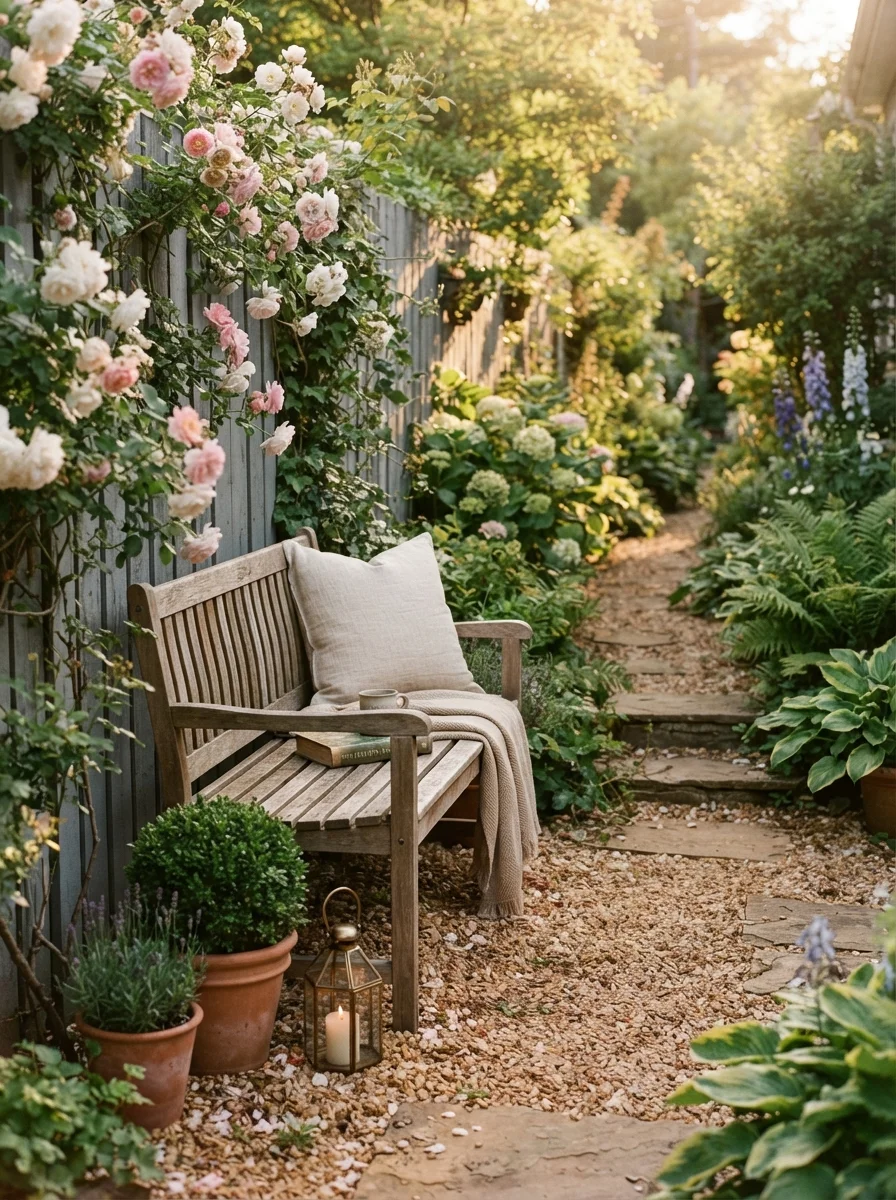
Quick Tip:
Choose a bench no deeper than sixteen inches so the path stays open. Face it toward your best plant, not the neighbor’s window. Set it on pavers so the legs stay dry.
Every hidden corner wants a reason to linger. A bench gives it one. People sit far more often when there is a little planting behind and beside them, so add two potted shrubs. Morning coffee here beats any patio, and it costs less than a dinner out.
Mossy Stepping Stones
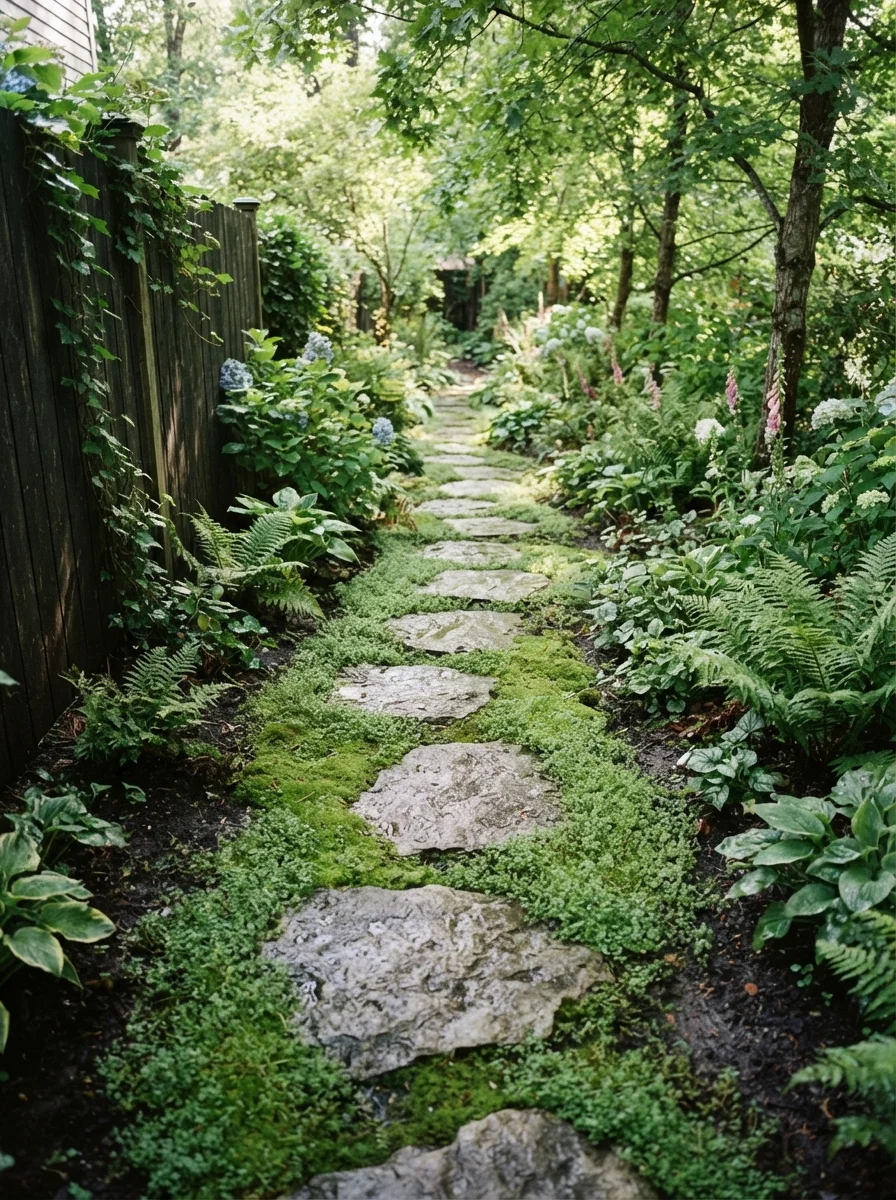
BEFORE: The shady strip is a patch of bare mud that turns slick after rain. Everyone walks along the edge, and the soil gets packed harder every week.
AFTER: Flat stones sit in a carpet of moss or creeping thyme. The path stays dry underfoot, and the ground looks soft and finished.
Set each stone level by digging out an inch of soil and tamping sand underneath. Space them a natural stride apart, about twenty inches center to center. Press moss plugs or thyme into the gaps and water daily for two weeks. Shady spots that struggle with grass do beautifully here.
Raised Planter Beds
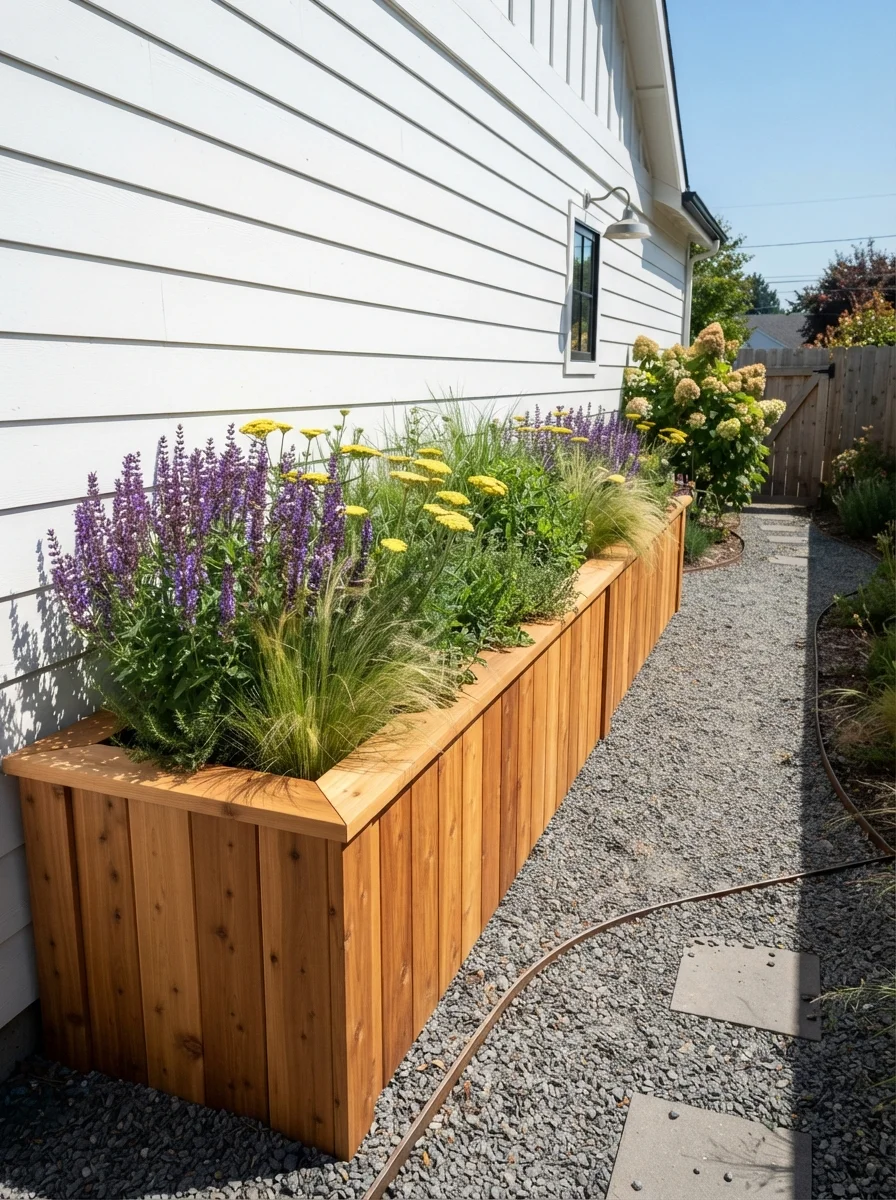
- Build a bed eighteen inches wide and ten inches tall, which leaves room to walk beside it.
- Line the bottom with cardboard, then fill with a mix of topsoil and compost.
- Plant tall varieties at the back and low ones at the front edge.
- Top with one inch of mulch and water until the soil is evenly damp.
Poor soil stops mattering once you build up instead of digging down. I’ve seen concrete-hard side yards produce full flower borders in a single season this way. Cedar lasts longer than pine and needs no sealing. Add a drip hose and your weekly chores shrink to a quick check.
Boxwood Hedge Line
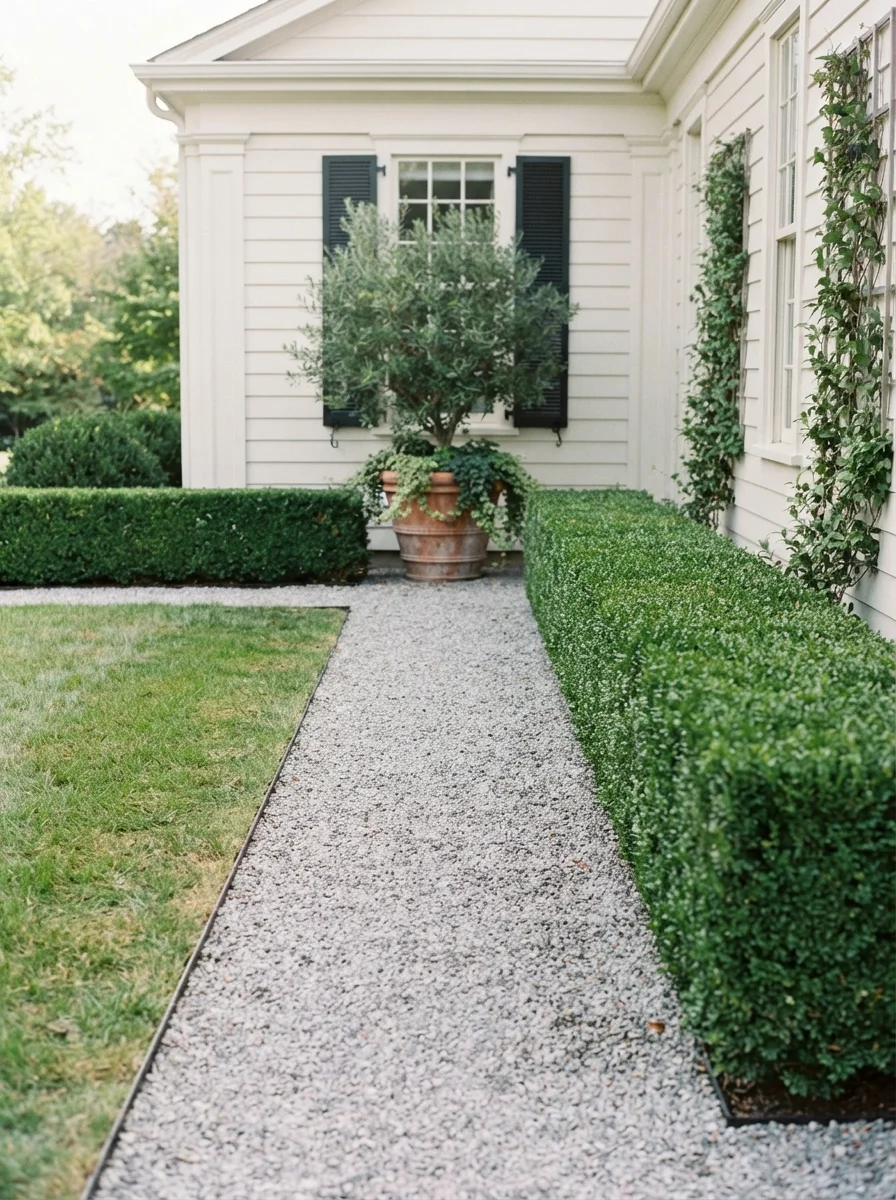
| Point | Old Way: Bare Fence Only | Better Way: Boxwood Hedge |
|---|---|---|
| Look | Flat and cold | Layered and soft |
| Upkeep | Repaint every few years | Two light trims a year |
| Lifespan | Rots or warps | Thrives for decades |
A clipped hedge makes a plain path look designed. Many owners skip everything else and still get a polished result with just this. Choose blight tolerant varieties like Green Velvet, and space plants twelve inches apart. Trim in late spring and again in midsummer to keep the lines crisp.
Lavender Walkway
DO:
- Plant in full sun with at least six hours of light.
- Mix sand or fine gravel into heavy soil.
- Space plants eighteen inches apart for airflow.
- Trim by a third right after blooming.
DON’T:
- Don’t add rich compost or fertilizer.
- Don’t water daily once roots have settled.
- Don’t plant in shady, soggy corners.
- Don’t cut into old bare wood.
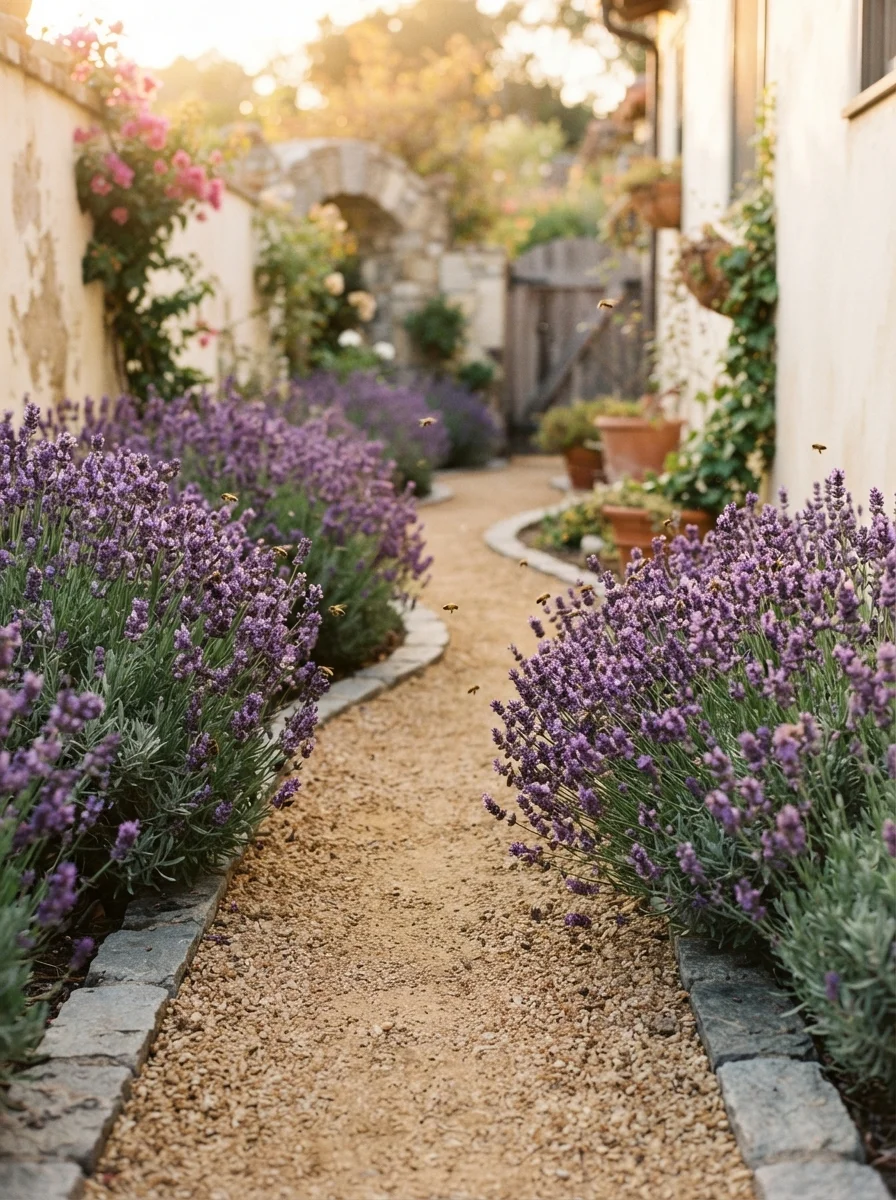
Brush past a lavender border and the whole path smells like a spa. That scent is the reward. Choose Munstead or Hidcote for cold winters, and Spanish lavender for warm zones. Bees will visit, so leave a few feet between the plants and the door if anyone is allergic.
Garden Arch Entry
Cost: Medium | Time: Half a day
Skill Level: Beginner to intermediate
Best For: Gate openings and path entrances
Result: A framed doorway into the garden
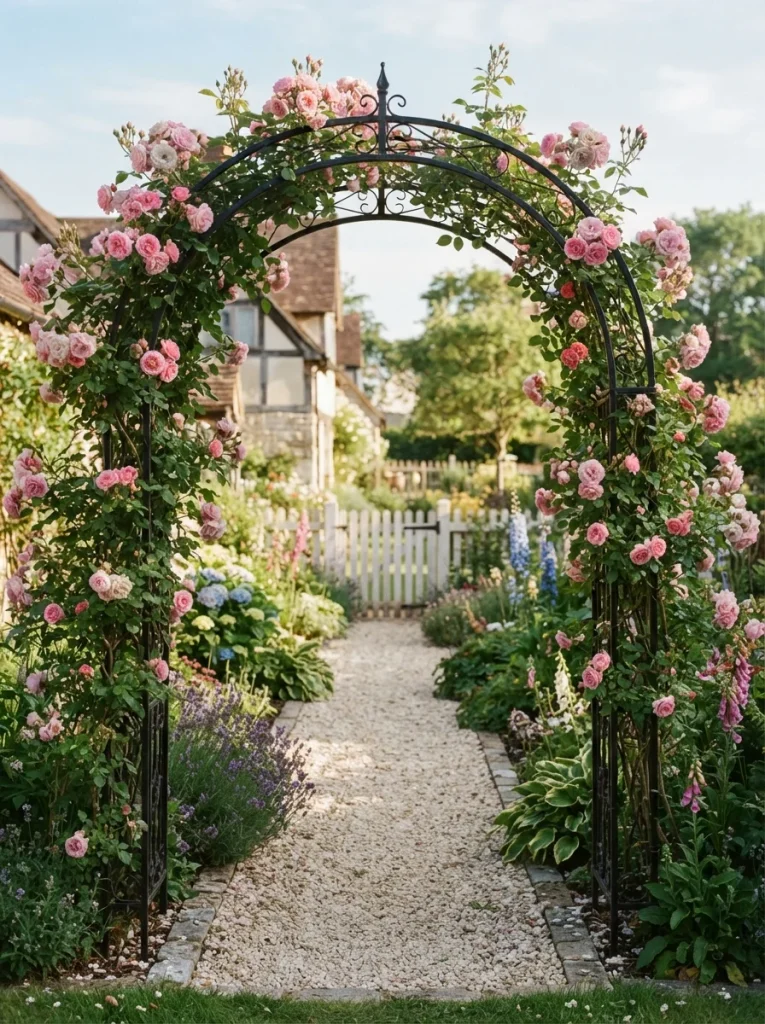
Doors deserve a frame, and so do gardens. An arch tells visitors that something lovely waits ahead, even if the strip behind it is only four feet wide. Anchor the legs in concrete or drive them twelve inches into the ground, then train roses or clematis up with soft ties.
Tiny Water Fountain
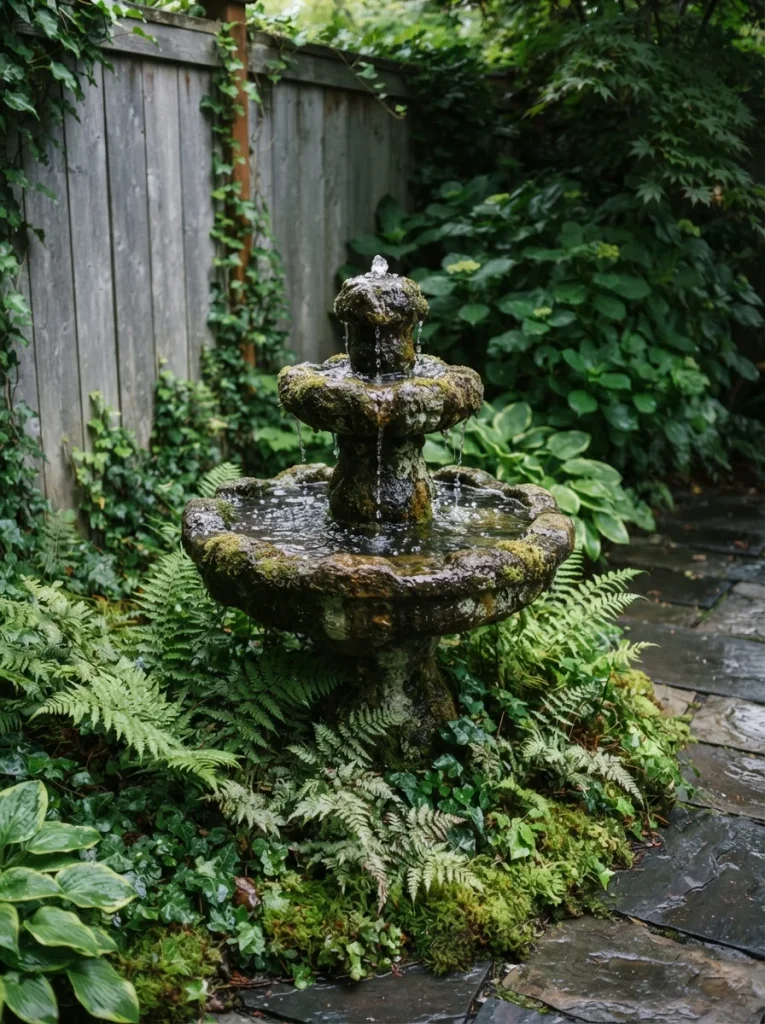
Water changes how a space sounds, and sound changes how it feels. A small fountain masks street noise and gives the side yard a calm, soothing hum. Choose a self-contained model with a hidden reservoir, so you only need an outdoor outlet.
In my experience, solar pumps work fine in bright spots but stall in shade, so plug in when you can. Set the base on level pavers and top up the water weekly. Add a splash of pond algae treatment in summer to keep it clear. Birds also enjoy a shallow drink.
Espalier Fruit Trees
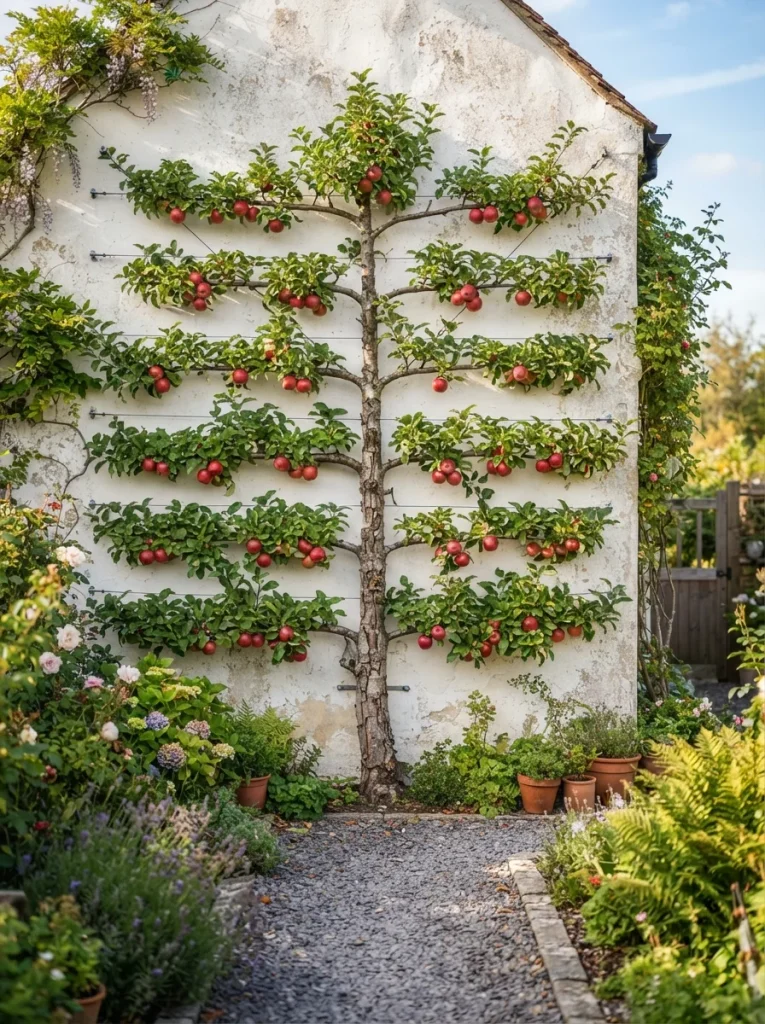
- Fruit trees can grow flat against a wall, which suits a strip as narrow as two feet. Choose apples or pears on dwarf rootstock.
- Stretch three horizontal wires eighteen inches apart along the wall, and tie branches to them with soft ties.
- Pick a south or west facing wall, since fruit needs six to eight hours of sun.
- Prune in late summer to keep the branches flat and tidy.
- Plant two different varieties that flower together for better fruit set.
Fresh fruit steps from the back door is hard to beat. Expect a few apples in year three and a full harvest by year five. Patience is the price, though the wall looks handsome all year, with blossom in spring, fruit in autumn, and clean lines in winter.
Dry Creek Bed
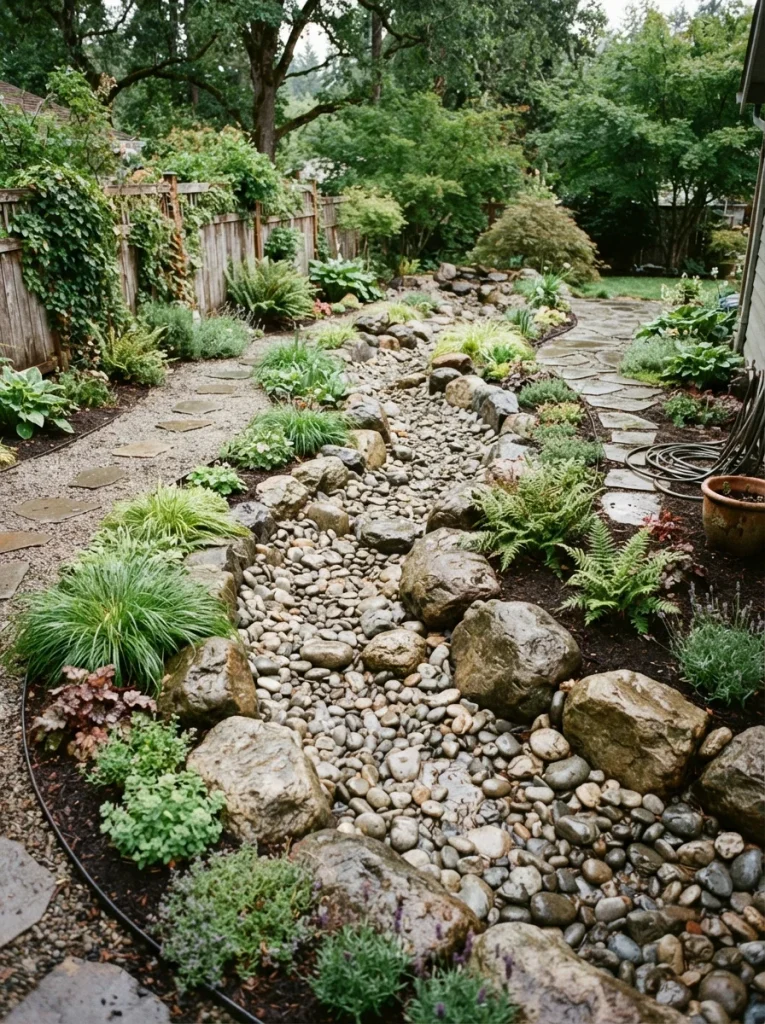
Quick Tip:
Dig the channel twelve inches deep and slightly sloped toward the low end of your yard. Line it with landscape fabric before adding two to four inch river rocks. Set larger boulders along the curves so the bed looks like a real stream.
Soggy side yards frustrate everyone. Rain pours off the roof, pools by the wall, and leaves a muddy mess. A dry creek bed guides that runoff away and looks like a feature, not a fix. I’ve seen one channel end a wet patch for good, so check your slope first.
Cottage Garden Gate
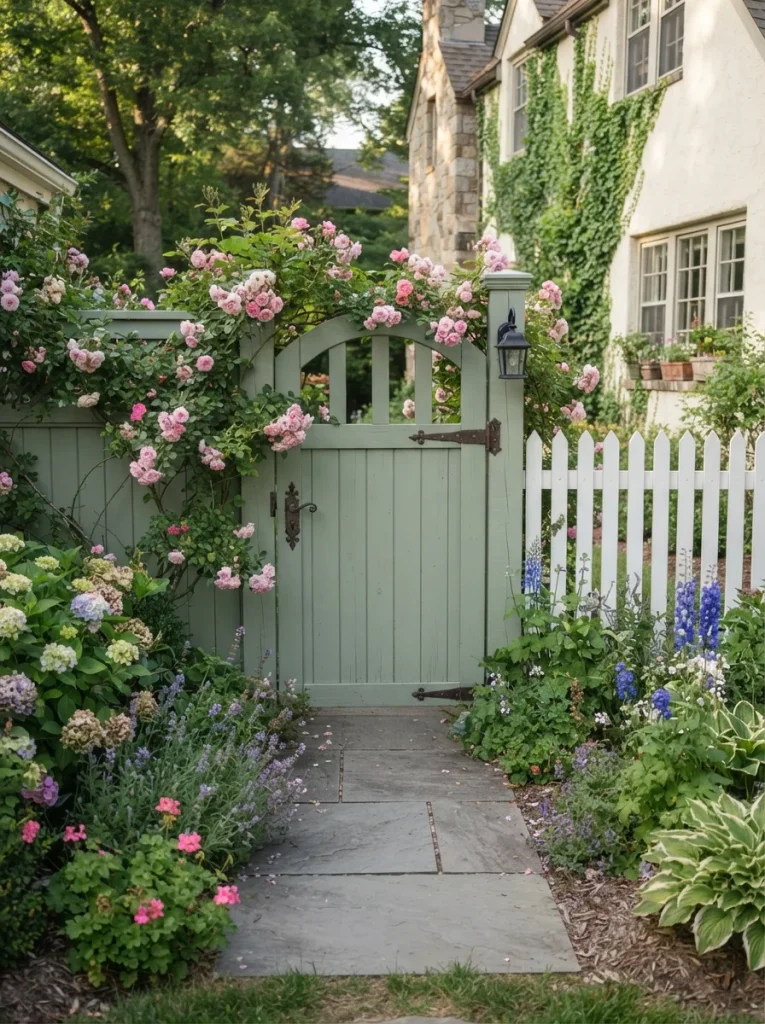
BEFORE: A sagging gray gate with chipped paint hangs open at the front corner. It hides nothing and says nothing good about the space behind it.
AFTER: A sturdy gate in sage green or navy now frames the entrance. Black hinges and a simple latch make the side yard feel like a private garden room.
Curb appeal starts at the gate, and it is one of the cheapest upgrades around. Sand the old wood, apply exterior primer, then two coats of paint. Replace rusty hinges with heavy duty ones so it swings smoothly. I’ve noticed that a bright, closed gate makes visitors curious about what is behind it.
Container Garden Row
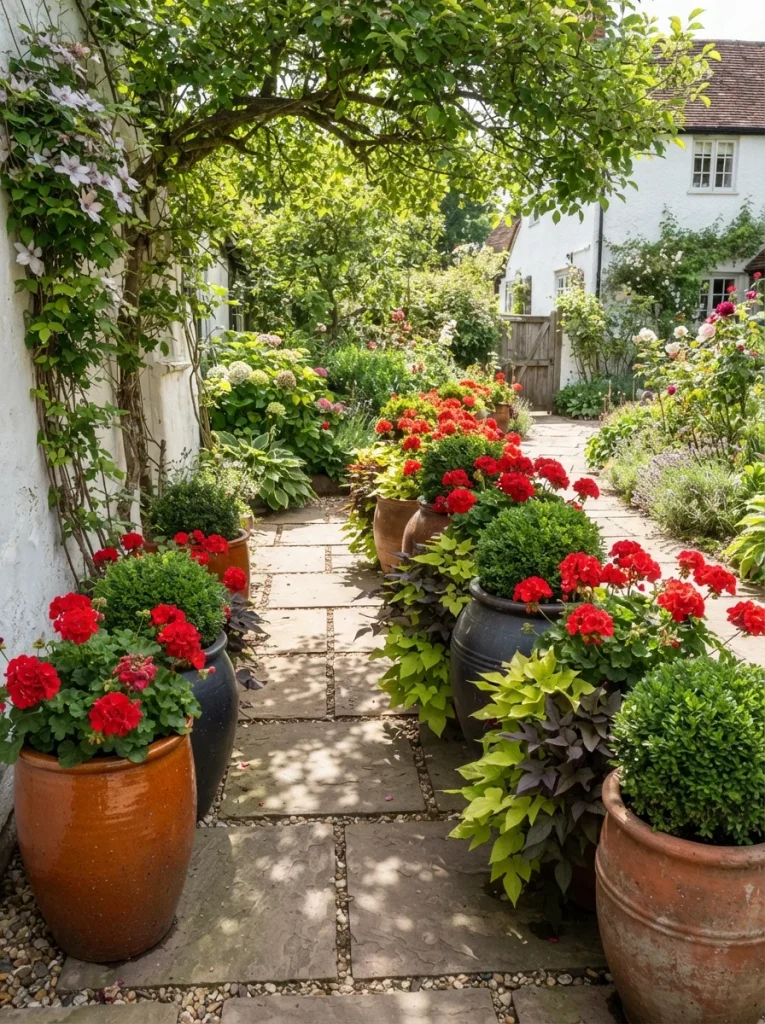
- Pick pots at least fourteen inches wide, since small ones dry out fast in a narrow, sunny strip.
- Fill with quality potting mix, never garden soil, so roots get air and drainage.
- Use the thriller, filler, spiller rule: one tall plant, a few mid-height ones, and something trailing.
- Line pots in odd numbers, leaving two feet of clear walking space.
Pots are the easiest way to test a look before you commit. Move them, swap them, or take them with you when you move house. In my experience, a fresh planting each spring keeps this corner feeling new. Water daily in July and feed every two weeks.
Solar Path Lights
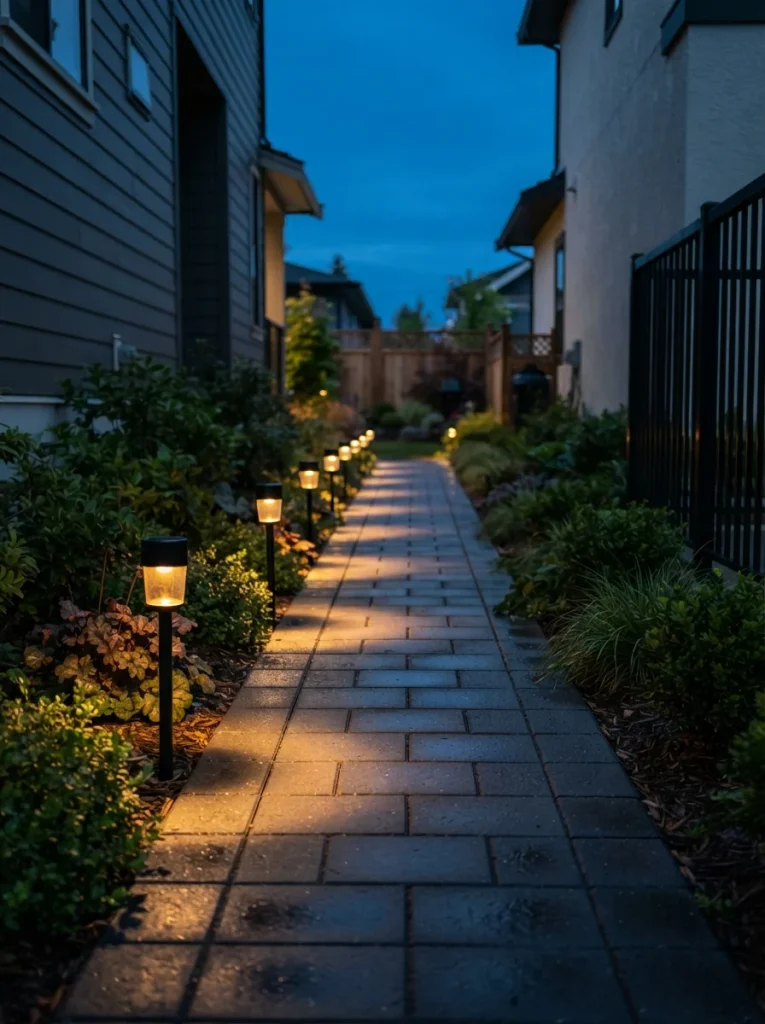
| Point | No Lighting | Solar Path Lights |
|---|---|---|
| Safety | Trip hazard after dark | Clear lit edges |
| Install | None needed | Push into soil, no wiring |
| Cost | Free | Low upfront, free to run |
Nobody wants to fumble with a phone flashlight to find the side gate. Push in solar stakes every four feet along the path edge, angled slightly toward the walkway. Choose warm white over blue toned bulbs for a cozier glow. Wipe the solar panels monthly so they keep charging through winter.
Succulent Rock Bed
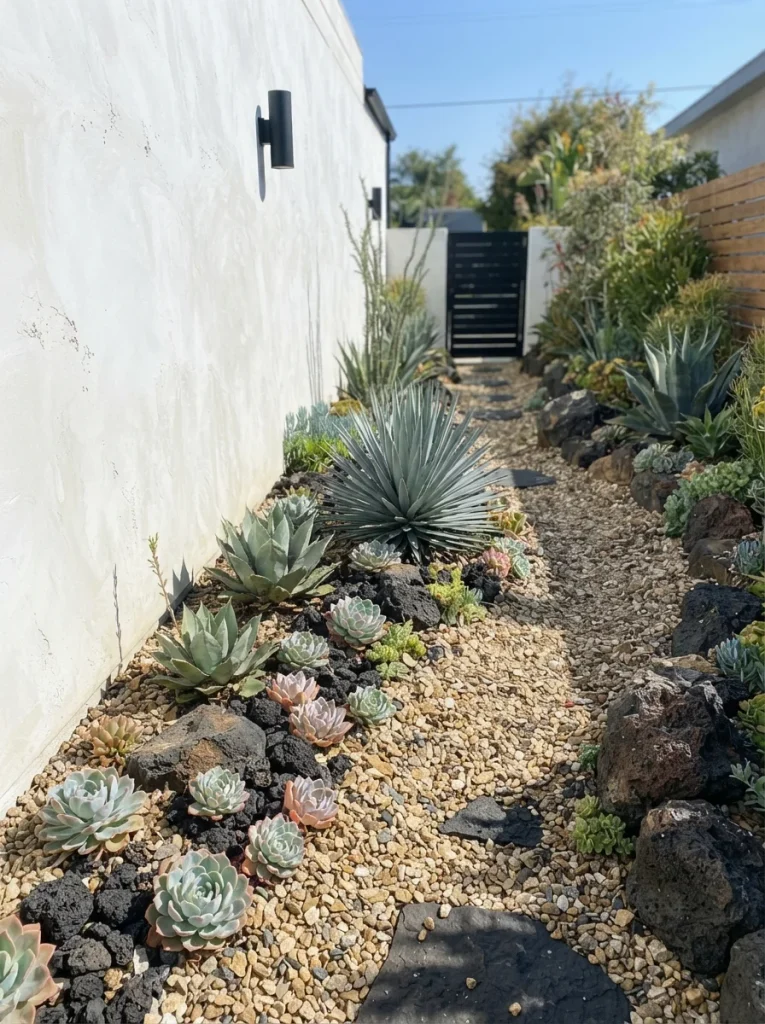
DO:
- Plant succulents in fast draining, sandy soil.
- Group by size, tall agave at the back, low echeveria in front.
- Top dress with gravel to reflect heat and light.
- Water only when the soil is fully dry.
DON’T:
- Don’t plant succulents in shady or damp corners.
- Don’t use regular potting soil straight from the bag.
- Don’t overwater during cooler months.
Hot, sun-baked side yards where other plants struggle are exactly where succulents thrive. I’ve noticed this bed needs attention maybe once a month once it settles in. The rosette shapes and muted colors also photograph beautifully, which makes this a favorite for anyone saving ideas on Pinterest.
Privacy Lattice Panel
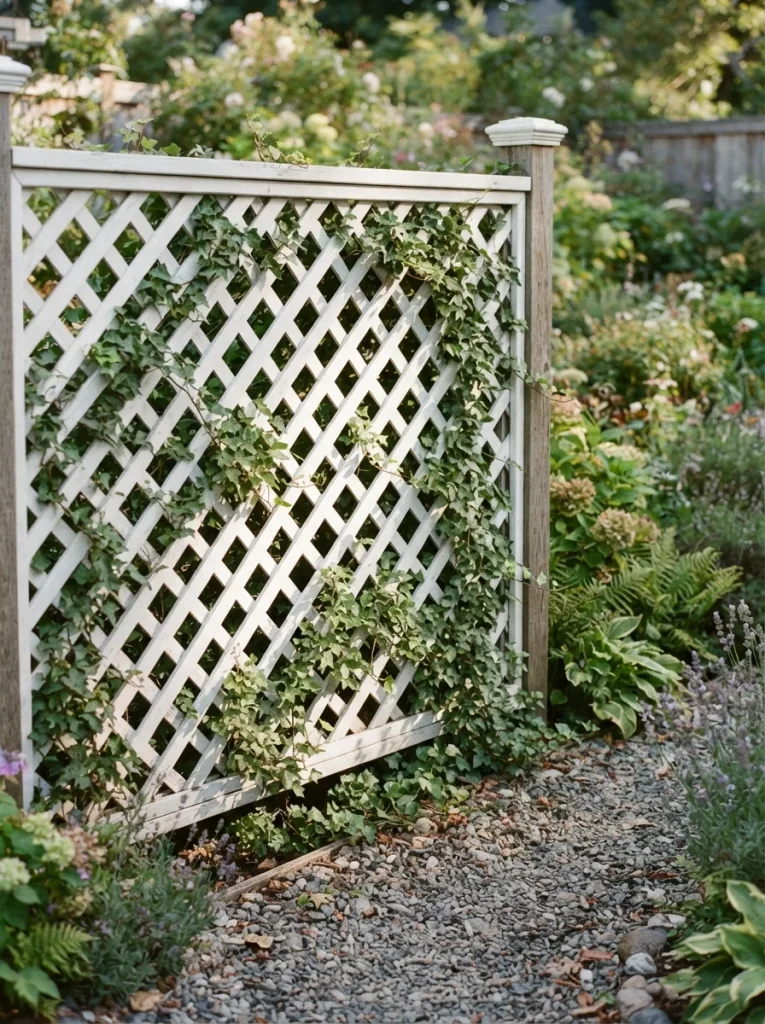
Cost: Low to medium | Time: One weekend
Skill Level: Beginner
Best For: Blocking a neighbor’s window view
Works In: Sun or partial shade
A direct sightline into a window next door makes any side yard feel exposed. Lattice solves that without building a solid wall, since light and air still pass through the gaps. Mount panels on 4×4 posts set in concrete, then let ivy or clematis climb through over one or two seasons for a fully green screen.
Birdbath Corner
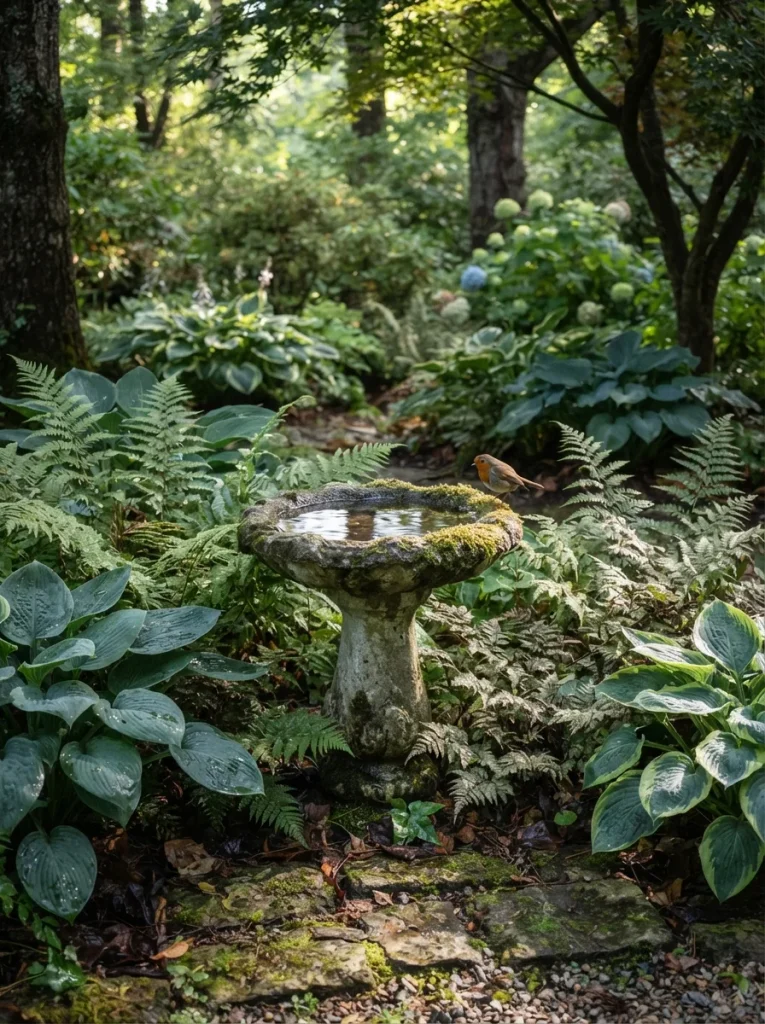
A quiet side yard becomes lively the moment birds discover a water source. A birdbath draws finches, robins, and sparrows within days of setting it out. Choose a shallow basin, no deeper than two inches, since most birds avoid anything deeper.
Set the bath on a stable pedestal near shrubs, so birds have a quick escape route from cats. Refresh the water every two to three days to stop mosquitoes from breeding. I’ve tried placing one near a kitchen window, and it turned a boring view into a small daily show.
Cedar Border Fence
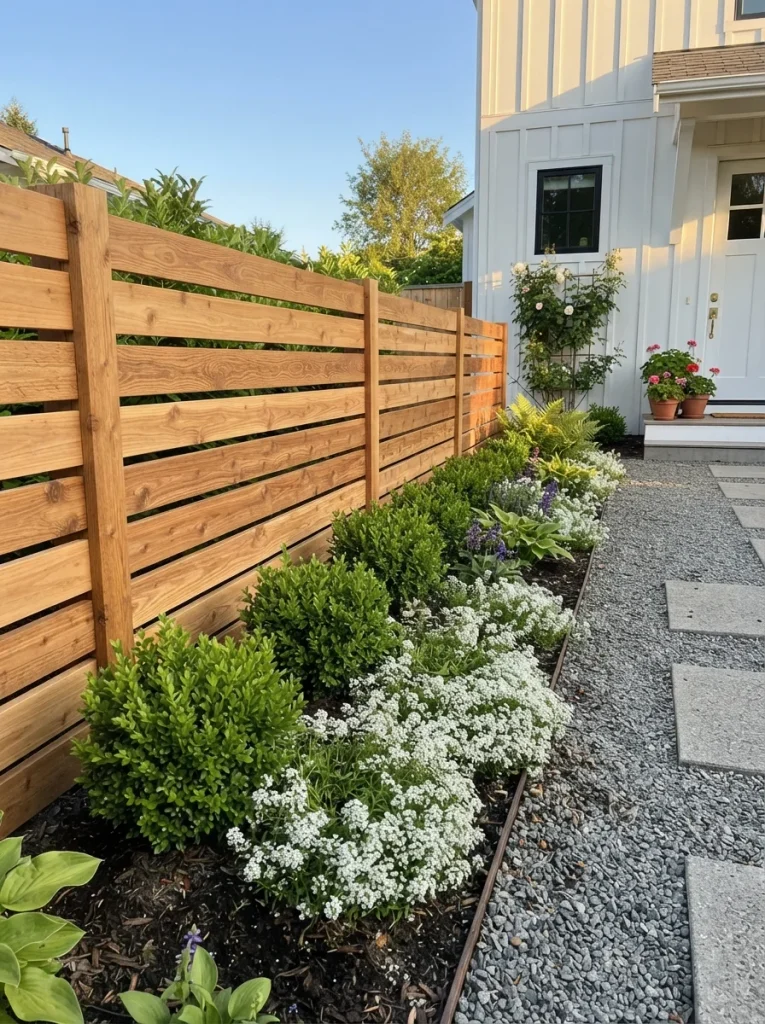
- Set cedar posts every four feet using post spikes or concrete footings.
- Attach horizontal slats with an inch gap between each board for a clean, airy look.
- Stain or oil the wood once it is fully installed to protect against weather.
- Plant a low border in front, like boxwood or alyssum, to soften the base.
A knee-high fence does more than a tall one in a narrow space, since it defines the bed without closing in the path. Cedar naturally resists rot, so it holds up without much upkeep. Reapply oil once a year and the fence keeps its warm tone for well over a decade.
CONCLUSION
A forgotten side yard can become the part of your home Side of House Landscaping Ideas you love walking through every day. Whether you choose gravel and ferns, a cozy seating nook, or a simple herb border, each idea proves that small spaces can carry big charm.
I’ve seen how small changes like these can completely shift the way a home feels. Start with one of these side of house landscaping ideas and build from there. Save this post Side of House Landscaping Ideas on Pinterest so it’s ready when inspiration strikes, then share it with a friend whose side yard is waiting for a fresh start.